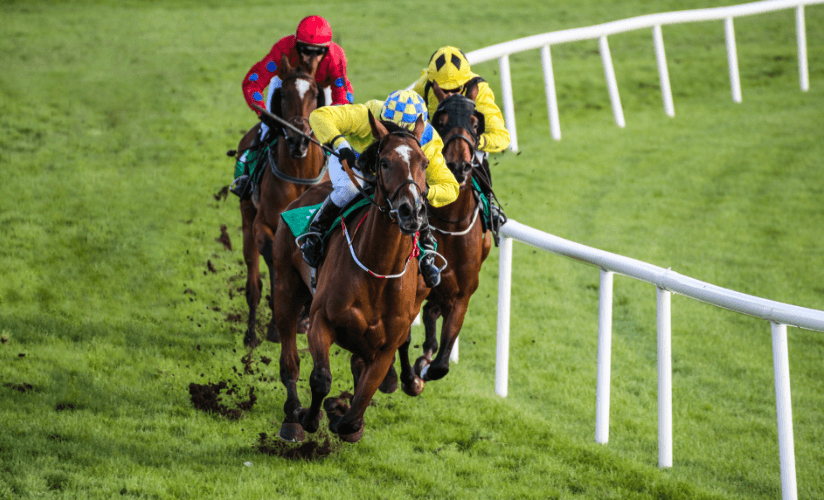
Selecting the right horse for racing is one of the most important decisions for anyone looking to succeed in the world of horse racing. Whether you’re an aspiring owner, breeder, or trainer, the process involves much more than simply picking a fast-looking animal. A winning racehorse is the product of careful evaluation, strong genetics, proper training, and good management.
This guide will walk you through the key factors to consider when choosing the right horse for racing.
1. Understand the Different Racing Disciplines
Before selecting a horse, it’s essential to know the type of racing you want to participate in.
- Flat Racing: Focuses on speed and stamina; typically dominated by Thoroughbreds.
- Jump Racing/Steeplechase: Requires endurance and agility; horses must be strong and steady.
- Harness Racing: Uses Standardbreds, which pull a sulky and race at a trot or pace.
- Endurance Racing: Tests stamina over long distances, often using Arabians.
Each discipline favors specific breeds and traits, so the first step is to match the horse to the racing style.
2. Pedigree and Bloodlines
A horse’s pedigree is one of the strongest indicators of potential racing success. Breeding determines traits like speed, stamina, and temperament.
- Thoroughbreds: Known for explosive speed and are the most common in flat racing.
- Arabians: Excel in endurance due to natural stamina.
- Standardbreds: Ideal for harness racing with strong gaits and durability.
- Quarter Horses: Famous for sprinting short distances.
When examining pedigree:
- Look for proven sires (stallions) and dams (mares) with strong racing records.
- Check if the bloodline has a history of producing champions.
- Balance speed-oriented lines with stamina-based lines for versatility.
See also: The Evolution of Horse Racing: Past, Present, and Future
3. Conformation and Physical Build
A horse’s body structure, or conformation, plays a critical role in performance. An ideally built racehorse should demonstrate:
- Strong Legs and Hooves: Essential for handling the stress of racing.
- Powerful Hindquarters: Provide the drive for acceleration.
- Deep Chest and Wide Nostrils: Indicate strong lung capacity and stamina.
- Balanced Frame: A horse that is proportionate and symmetrical will move more efficiently.
Small defects can significantly impact racing ability, so it’s important to have the horse evaluated by an experienced vet or equine conformation expert.
4. Temperament and Behavior
Not all fast horses make great racers. Temperament is just as important as speed.
Qualities to look for include:
- Trainability: Horses should respond well to commands.
- Competitiveness: A natural desire to run and stay ahead.
- Calm Demeanor: Prevents wasted energy and reduces the risk of injuries.
- Courage: Important for horses in crowded fields or jumping events.
A horse that is too nervous, aggressive, or uncooperative may struggle to adapt to racing conditions.
5. Age and Development
The ideal age to begin racing depends on the discipline:
- Flat Racing: Many Thoroughbreds start at 2–3 years old.
- Jump Racing: Horses often start later, around 4–6 years old, as they need more maturity.
- Endurance Racing: Arabians may not peak until 6–7 years old.
Younger horses may offer more years of racing, but older, proven horses can be safer investments since their abilities are already demonstrated.
6. Health and Veterinary Evaluation
A comprehensive vet check is crucial before purchasing or training a racehorse. The exam should include:
- X-rays to detect joint or bone issues.
- Heart and lung evaluation for performance capacity.
- Lameness tests to check for hidden injuries.
- Dental check (teeth affect feeding and, therefore, stamina).
Only a sound and healthy horse can withstand the rigors of training and racing.
7. Training Potential and Early Performance
If possible, review a horse’s early training results or past racing record:
- Has the horse shown strong acceleration?
- Does it maintain stamina over longer distances?
- How does it handle competitive situations?
Even in unproven horses, small trials or training sessions can reveal potential.
8. Costs and Investment
Racing horses is not only about selection but also about budget and long-term commitment. Consider:
- Purchase Price: Well-bred horses often cost more.
- Training Fees: Trainers, jockeys, and exercise riders all add to expenses.
- Veterinary Care: Regular check-ups, supplements, and emergency care are costly.
- Stabling & Feeding: Daily upkeep for a high-performance horse can be substantial.
Choosing a horse should balance affordability with potential return on investment.
9. Expert Guidance
Selecting the right horse is rarely a solo effort. Involving experts can save time, money, and disappointment. Work with:
- Bloodstock Agents: Specialists who analyze pedigrees and select promising horses.
- Trainers: Provide insights into racing potential and temperament.
- Veterinarians: Ensure the horse’s health and soundness.
Conclusion
Choosing the right horse for racing is both an art and a science. It requires a careful balance of pedigree, conformation, temperament, health, and budget considerations. While no horse comes with a guarantee of success, making informed decisions dramatically increases the chances of finding a future champion.
Whether you’re investing in flat racing, steeplechase, or endurance events, remember that a racehorse is not just an asset—it’s a living athlete whose success depends on thoughtful selection, training, and care.
