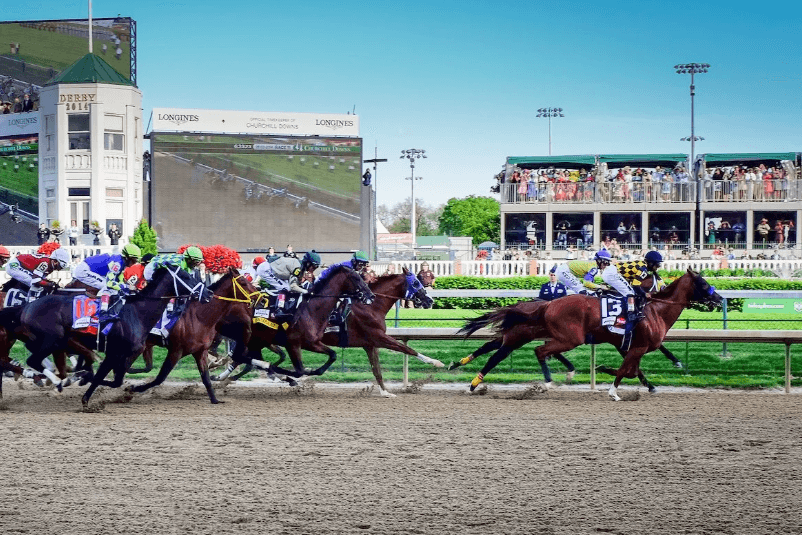
Few sports in human history have stood the test of time quite like horse racing. Known as the “Sport of Kings”, horse racing blends history, athleticism, culture, and tradition in a way few other competitions can match. From ancient civilizations to modern global spectacles, horse racing has remained a symbol of speed, endurance, and prestige. But what is it about this sport that has made it endure for thousands of years? Let’s explore.
The Origins of Horse Racing
The roots of horse racing stretch back to the dawn of human civilization. Once horses were domesticated around 4500 BC, humans began testing their speed and strength in competitive races.
- Ancient Times:
- The Greeks included horse and chariot races in the Olympic Games as early as 648 BC.
- The Romans took the sport to another level with massive chariot races in the Circus Maximus, which could hold over 200,000 spectators.
- Ancient Egyptians and Persians also held equine contests, often linked with displays of military prowess.
- Medieval Europe:
During the Middle Ages, mounted horse races became popular among knights and nobility. Informal contests often took place at fairs and festivals, laying the groundwork for organized racing.
See also: The Evolution of Horse Racing: Past, Present, and Future
The Rise of Modern Horse Racing
Modern horse racing as we know it emerged in England during the 17th and 18th centuries.
- Royal Influence: Monarchs such as King James I and Charles II were passionate about racing, helping to establish formal events.
- The Jockey Club: Founded in 1750, it set rules and regulations still influential today, including pedigree standards for Thoroughbred horses.
- Spread Worldwide: British colonization and trade introduced horse racing to America, Australia, the Middle East, and Asia, making it a truly global sport.
By the 19th century, horse racing had become both a major spectator event and a popular betting activity, combining sport with entertainment.
The Enduring Appeal of Horse Racing
So why has horse racing lasted for millennia while many other ancient sports have faded into obscurity? The answer lies in its unique combination of qualities:
- Thrill and Excitement
A single race can be decided in seconds, making it one of the most thrilling spectator sports. - Partnership of Human and Animal
Horse racing highlights the bond between horse and rider, showcasing teamwork as much as individual talent. - Cultural Traditions
Events like the Kentucky Derby, Royal Ascot, and the Melbourne Cup are not just races but cultural festivals celebrated with fashion, music, and pageantry. - Betting and Strategy
Wagering has always been intertwined with horse racing, adding an extra layer of excitement and accessibility for casual fans. - Global Reach
From Europe’s turf tracks to America’s dirt tracks and Australia’s long-distance challenges, the sport thrives on every continent.
Iconic Races that Define the Sport
Some races have become legendary, elevating the sport’s status worldwide:
- Kentucky Derby (USA): “The Run for the Roses” and the first leg of the American Triple Crown.
- The Grand National (UK): A grueling steeplechase featuring massive fences.
- Prix de l’Arc de Triomphe (France): Europe’s premier flat race, often called “a monument.”
- Melbourne Cup (Australia): The “race that stops a nation,” combining tradition with high-stakes competition.
- Dubai World Cup (UAE): One of the richest races in the world, symbolizing modern global racing.
The Modern Industry
Today, horse racing is a multi-billion-dollar industry involving breeding, training, wagering, and international competition.
- Breeding: Thoroughbred bloodlines are meticulously tracked to produce champions built for speed and stamina.
- Training: Advances in nutrition, veterinary science, and technology help maximize performance while prioritizing horse welfare.
- Betting & Technology: Online platforms have revolutionized how fans engage, making horse racing accessible worldwide.
Challenges and the Future of Horse Racing
Despite its prestige, horse racing faces significant challenges in the modern era:
- Animal Welfare Concerns: Ensuring the safety and well-being of horses is critical to the sport’s reputation.
- Competition with Other Entertainment: With countless entertainment options, horse racing must innovate to attract younger audiences.
- Globalization: The rise of new racing hubs, particularly in Asia and the Middle East, is reshaping the sport’s landscape.
The future will likely see greater use of technology (such as biometric tracking and AI training methods), increased transparency, and a stronger focus on sustainability and welfare.
Conclusion
Horse racing is truly a sport for the ages — one that has traveled from ancient civilizations to modern-day stadiums without losing its essence. It combines the thrill of speed, the tradition of culture, and the bond between humans and horses in a way that few other sports can match.
As it continues to evolve, horse racing will face new challenges, but its timeless appeal ensures it will remain part of our global sporting heritage for generations to come.